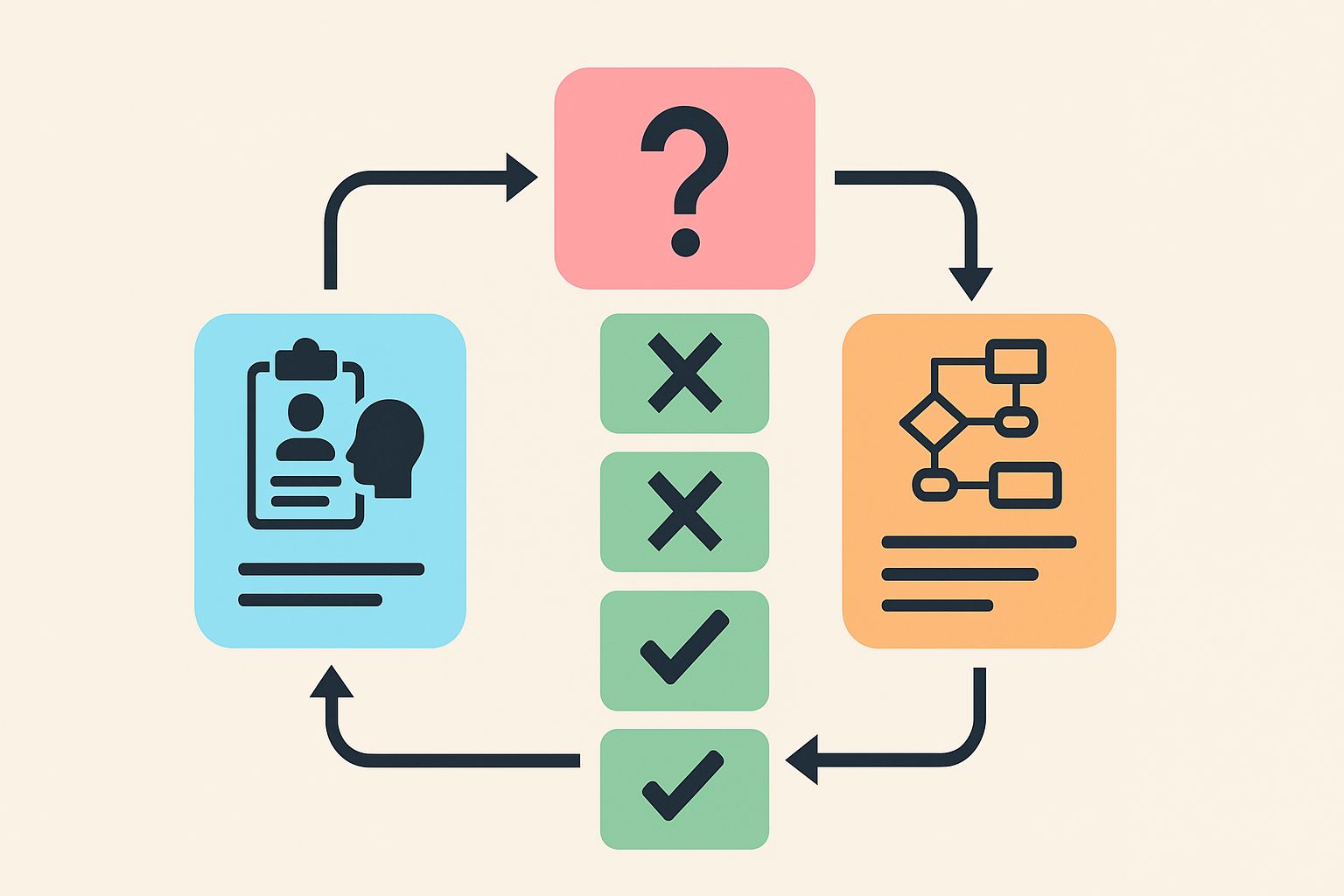
A strong Step 1 microbiology study plan for IMG students should begin with a practical truth: microbiology on Step 1 is not a catalog of organisms. It is a reasoning system. The exam asks whether you can recognize a pathogen from a clinical pattern, connect that pathogen to virulence, predict the immune response, choose the mechanism of treatment, and avoid a distractor that looks familiar but violates one key clue. For many IMG students, the challenge is not intelligence or work ethic. The challenge is that prior microbiology training may have emphasized organism lists, long taxonomies, or local clinical teaching that does not match NBME-style testing. The first goal is to convert microbiology into a set of decision triggers. Start with the patient setting. Newborn, college student, asplenic adult, transplant recipient, traveler, farmer, diabetic patient, and hospitalized patient each narrows the pathogen set. Then identify the syndrome. Pneumonia, meningitis, diarrhea, endocarditis, cellulitis, urethritis, osteomyelitis, or opportunistic infection should immediately cue the most likely organisms. Next, attach a laboratory clue. Gram stain, capsule, spore, oxidase status, urease production, acid-fast staining, viral genome type, inclusion body, antigenic variation, and toxin mechanism should become functional clues, not isolated facts. IMG students often lose time because they try to relearn microbiology in the order found in textbooks. That order feels comprehensive, but it is inefficient for Step 1. The exam rewards integrated recognition. A better order is syndrome first, organism second, mechanism third, treatment fourth. For example, do not study Streptococcus pneumoniae as a standalone organism. Study it as a cause of lobar pneumonia, meningitis in adults, otitis media, sinusitis, and severe infection in asplenia. Then attach its polysaccharide capsule, optochin sensitivity, bile solubility, IgA protease, and vaccine logic. This creates retrieval pathways that match board questions. Your daily work should rotate between three modes. The first is rapid organism mapping, where you classify pathogens by morphology and syndrome. The second is mechanism review, where you learn toxins, immune evasion, antimicrobial targets, and resistance mechanisms. The third is question-based correction, where every missed question becomes a new retrieval card or short note. If any day lacks questions, the plan becomes passive. If any day lacks recall, the plan becomes unstable. If any day lacks correction, the same error returns on the next NBME. Recognize syndrome, host risk, exposure, and time course before naming the organism. Tie toxins, virulence factors, immune defects, and drug targets to the vignette. Convert each missed question into a precise rule that prevents recurrence. Use the official Step 1 framing to guide priorities. Step 1 tests foundational science through clinical applications, so your microbiology review should never stay purely descriptive. A fact such as “protein A binds Fc” is low value until it explains why Staphylococcus aureus evades opsonization and causes abscesses, osteomyelitis, and endocarditis. A fact such as “anaerobe” is incomplete until it tells you where the infection occurs, why foul odor may appear, and which organisms are plausible in aspiration or intra-abdominal infection. Finally, define success by error reduction, not page completion. If your weak area is fungi, success is not reading an entire fungal chapter. Success is being able to distinguish Aspergillus, Mucor, Histoplasma, Blastomyces, Coccidioides, Cryptococcus, and Candida from a short vignette. IMG students should favor compact, repeated, question-linked review. Microbiology becomes high yield when it is organized as a diagnostic language. A four-week microbiology block works well for IMG students who have already started Step 1 preparation but continue to miss infectious disease questions. It is also useful for students who feel that they “know the organisms” but cannot apply the facts under timed conditions. The schedule below assumes 2 to 3 focused hours per day for microbiology. Students with weaker foundations can extend each week into 10 days. Students in dedicated prep can compress the plan by using two sessions per day. Week 1 should focus on bacteria because bacterial morphology, toxins, and antibiotics form the backbone of many Step 1 questions. Start with Gram-positive cocci, Gram-negative rods, anaerobes, atypicals, spirochetes, and acid-fast organisms. Do not memorize every organism equally. Prioritize organisms that appear in classic clinical patterns: S. aureus, S. pneumoniae, S. pyogenes, N. meningitidis, E. coli, Pseudomonas, Klebsiella, Salmonella, Shigella, Vibrio, Campylobacter, Clostridioides difficile, Clostridium tetani, Clostridium botulinum, Borrelia, Treponema, Mycobacterium tuberculosis, and Mycobacterium leprae. Week 2 should cover viruses and fungi. For viruses, classify by genome, envelope, replication site, and disease pattern. IMG students often memorize viral family names without connecting them to clinical clues. Step 1 expects rapid recognition of hepatitis serologies, congenital infections, herpesvirus latency, HIV life cycle, respiratory viruses, oncogenic viruses, and vaccine-preventable infections. For fungi, build a comparison framework: dimorphic fungi by geography, encapsulated yeast, septate versus nonseptate hyphae, invasive disease in neutropenia, and opportunistic disease in AIDS or transplant patients. Week 3 should cover parasites, antimicrobials, and immunology integration. Parasitology can feel broad, but most Step 1 questions use recognizable exposures: travel, pork, freshwater, mosquito bite, cat feces, undercooked meat, cysts in stool, eosinophilia, or seizures from neurocysticercosis. Antimicrobials should be studied by mechanism, toxicity, resistance, and clinical use. Always connect a drug to a microbial target. Beta-lactams inhibit cell wall synthesis. Macrolides bind the 50S ribosomal subunit. Fluoroquinolones inhibit DNA gyrase and topoisomerase. These facts become testable when paired with toxicities, resistance enzymes, pregnancy cautions, or renal considerations. Week 4 should be correction and consolidation. This is where many IMG students either improve sharply or plateau. Avoid the temptation to reread everything. Instead, review missed questions, redo incorrects, complete mixed blocks, and build a final high-yield sheet. Your goal is to make organism recognition automatic while keeping enough mechanism detail for experimental-style questions. For IMG students balancing work, family, or clinical responsibilities, the schedule can be split into morning recall and evening questions. Morning recall should be short and active. Close the book, write organisms from memory, and check gaps. Evening questions should be timed whenever possible. Tutor mode is acceptable early, but by Week 3 timed practice should dominate. The MDSteps Step 1 platform can support this approach by pairing an Adaptive QBank with automatic flashcard decks from missed questions and an exam-readiness dashboard that shows whether weak microbiology topics are improving or simply being reread. Microbiology becomes manageable when every organism is stored as a clue cluster. A clue cluster contains the patient, setting, exposure, syndrome, laboratory feature, virulence factor, and treatment principle. This structure is especially important for IMG students because many international curricula teach microbiology in laboratory or taxonomy order. Step 1 questions rarely ask for taxonomy alone. They ask for interpretation. Consider bacterial pneumonia. A student who memorizes “Klebsiella is a Gram-negative rod” has only a partial clue. A Step 1 question may describe an older patient with alcohol use disorder, thick sputum, lobar pneumonia, and a capsule. The organism is not identified by one fact. It is identified by a pattern. The same logic applies to atypical pneumonia. Mycoplasma pneumoniae is not just “no cell wall.” It is a school or young adult exposure, walking pneumonia, cold agglutinin hemolysis, and lack of response to beta-lactams. This is why organism charts should be built around clinical triggers. Use a “first clue, second clue, confirming clue” method. The first clue is the broad syndrome. The second clue is the host or exposure. The confirming clue is a lab or mechanism detail. For example, a farmer with pneumonia and a narrow-based budding yeast suggests Blastomyces dermatitidis. A patient from the Ohio or Mississippi River valleys with macrophages filled with yeast suggests Histoplasma capsulatum. A patient from the Southwest with spherules suggests Coccidioides. The geography matters, but the tissue morphology often confirms the answer. Do the same for viruses. For hepatitis, do not only memorize serologies. Tie them to interpretation. HBsAg indicates current infection. Anti-HBs indicates immunity. Anti-HBc IgM suggests acute infection. HBeAg suggests high infectivity. For herpesviruses, do not simply memorize HHV numbers. Build clinical anchors: HSV-1 and HSV-2 cause mucocutaneous lesions and encephalitis or genital disease, VZV causes chickenpox and shingles, EBV causes mononucleosis and malignancy associations, CMV causes congenital disease and disease in immunocompromised patients, and HHV-8 is associated with Kaposi sarcoma. For parasites, exposure-based organization is the highest-yield method. Freshwater exposure and terminal hematuria should trigger Schistosoma haematobium. Pork and seizures should trigger neurocysticercosis due to Taenia solium. Undercooked meat or cat feces with congenital disease should trigger Toxoplasma gondii. Mosquito exposure with cyclic fever should trigger malaria. A broad fish tapeworm with vitamin B12 deficiency should trigger Diphyllobothrium latum. If you organize parasites by taxonomy alone, these clinical hooks are harder to retrieve under pressure. IMG students should create one card per clue cluster, not one card per isolated fact. A weak card says, “What is the virulence factor of S. pneumoniae?” A stronger card says, “Adult with meningitis, lancet-shaped diplococci, and absent splenic function. What virulence feature explains invasive disease?” The answer is capsule. This format mimics the exam and trains the reasoning sequence. When reviewing questions, never stop at the correct answer. Identify why each wrong option was wrong. This is where Step 1 improvement occurs. If a question asks about watery diarrhea after rice-water stool, Vibrio cholerae is correct because cholera toxin increases cAMP. ETEC can also cause watery diarrhea, but the toxin pattern, travel context, and classic stool description may separate it. These distinctions are exactly what the NBME uses to test whether you truly understand the organism. If you keep narrowing stems to two answers and picking the distractor, the problem may not be your medical knowledge. MDSteps shows the pivot clue, the trap answer, and the reasoning pattern behind the miss—then turns it into targeted practice. Antimicrobials are one of the most profitable microbiology topics for Step 1 because they connect microbiology, pharmacology, biochemistry, and clinical reasoning. IMG students often study antibiotics as drug lists. Step 1 requires a different approach. You need to know the drug target, the class, the resistance mechanism, the major toxicity, and the organism context. The question may not ask, “Which antibiotic treats this infection?” It may ask which bacterial structure is inhibited, which mutation causes resistance, which adverse effect explains a new symptom, or why a drug fails against an organism without a cell wall. Begin with bacterial targets. Cell wall agents include penicillins, cephalosporins, carbapenems, monobactams, vancomycin, and others that affect peptidoglycan synthesis or cross-linking. Protein synthesis inhibitors include aminoglycosides, tetracyclines, macrolides, clindamycin, chloramphenicol, linezolid, and streptogramins. Nucleic acid agents include fluoroquinolones and rifamycins. Folate pathway agents include sulfonamides and trimethoprim. Membrane agents include daptomycin and polymyxins. Once this framework is stable, each drug becomes easier to place. Next, attach resistance. Step 1 often tests resistance as a mechanism question. Beta-lactamases hydrolyze beta-lactam rings. Altered penicillin-binding proteins explain methicillin resistance in S. aureus and penicillin resistance in some pneumococci. D-Ala-D-Lac modification reduces vancomycin binding in vancomycin-resistant enterococci. Methylation of the 23S rRNA target can create macrolide resistance. Efflux pumps may reduce intracellular tetracycline concentrations. These concepts matter because antimicrobial resistance is clinically important and also highly testable. Then learn toxicities as clinical mini-vignettes. Aminoglycosides can cause nephrotoxicity and ototoxicity. Tetracyclines can cause tooth discoloration and photosensitivity and are avoided in pregnancy and young children. Macrolides can prolong the QT interval. Clindamycin is associated with Clostridioides difficile colitis. Chloramphenicol can cause aplastic anemia and gray baby syndrome. Fluoroquinolones can affect tendons and QT interval and are used cautiously in selected populations. Isoniazid can cause peripheral neuropathy due to vitamin B6 deficiency. Rifampin can cause orange body fluids and induce cytochrome P450 enzymes. Antifungals and antivirals deserve their own concise grids. Amphotericin B binds ergosterol and is associated with nephrotoxicity. Azoles inhibit ergosterol synthesis. Echinocandins affect beta-glucan in the fungal cell wall. Acyclovir requires viral thymidine kinase activation and targets viral DNA polymerase. Ganciclovir is important for cytomegalovirus and has marrow toxicity. Antiretroviral drug classes should be tied to the HIV life cycle: entry, reverse transcription, integration, protease processing, and maturation. Use practice questions to decide which details deserve memorization. If you repeatedly miss adverse effects, make a toxicity deck. If you miss resistance, make a mechanism deck. If you miss coverage, make a syndrome-drug table. The goal is not to memorize every drug in infectious disease. The goal is to recognize the drug mechanism that explains the question stem. That is the Step 1 version of antimicrobial mastery. Microbiology contains a large number of discrete facts, so flashcards are useful. They can also become a trap. IMG students may import huge decks, complete thousands of cards, and still perform poorly because the cards are too isolated from question logic. The best plan uses active recall and spaced repetition, but the cards must be written in a way that supports Step 1 reasoning. Start with a small set of high-yield cards that answer recurring questions. Each card should contain one decision point. Avoid cards with five answers. Avoid vague prompts such as “Tell me about Pseudomonas.” Use prompts that imitate exam logic: “Burn patient with green-blue pigment and oxidase-positive Gram-negative rod. Which organism?” Another card may ask, “Which virulence feature helps the organism resist phagocytosis?” Another may ask, “Which antibiotic mechanism is relevant?” This approach turns one organism into several linked retrieval points. Use a missed-question pipeline. After every block, classify each microbiology miss into one of five causes: organism recognition error, mechanism error, drug error, immune-status error, or question interpretation error. Then make only the minimum number of cards needed to prevent that error. If you missed Cryptococcus neoformans because you forgot the capsule, create a card about encapsulated yeast in an immunocompromised patient with meningitis. If you missed it because you confused India ink with acid-fast staining, create a lab clue card. This keeps the deck lean and clinically useful. Spaced repetition works best when cards are reviewed before they are forgotten, but spacing alone cannot fix poor card design. A card that asks, “What is Histoplasma?” is not enough. A better card says, “Patient from the Ohio River Valley has pneumonia and macrophages containing yeast. What organism is most likely?” This card creates a bridge between geography, tissue morphology, and diagnosis. The more your cards resemble testable clues, the more your review transfers to Step 1 blocks. Keep daily card volume realistic. IMG students with many responsibilities should avoid creating a deck that requires hours of maintenance. Use a cap. For example, add no more than 20 to 30 microbiology cards per day and delete or suspend cards that are too easy, too obscure, or duplicated. The strongest deck is not the largest deck. It is the deck that repeatedly repairs your personal errors. Integrate recall with whiteboard mapping. Once or twice per week, close all resources and draw maps from memory. Draw Gram-positive organisms by cocci and rods. Draw Gram-negative organisms by lactose fermentation, oxidase status, and disease pattern. Draw DNA viruses and RNA viruses by envelope status. Draw fungi by morphology and clinical setting. Then compare your map with a trusted source. Any blank area becomes the next study target. A college student with meningitis has Gram-negative diplococci and a petechial rash. Which virulence feature helps the organism evade complement? List facts about Neisseria meningitidis. The MDSteps Adaptive QBank can make this process more efficient by identifying repeated misses and converting incorrect answers into automatic flashcard decks that are exportable to Anki. That matters for IMG students because time is often the limiting factor. Instead of manually building every card, students can focus on reviewing the specific facts that caused errors. Finally, protect one review session each week for “old misses.” New content feels productive, but old errors are the highest-yield content in your plan. If you missed a question on Clostridioides difficile in Week 1, you should see that concept again in Week 2 and Week 4. The same applies to viral serologies, fungal morphology, and antimicrobial toxicities. Step 1 rewards durable recall, not brief familiarity. IMG students often have specific microbiology weaknesses that differ from students trained entirely in the United States. These weaknesses are predictable and fixable. The first is overreliance on memorized organism lists. A student may know that Haemophilus influenzae is a small Gram-negative coccobacillus but miss a question because they fail to connect it with epiglottitis, otitis media, meningitis in unvaccinated children, IgA protease, and the need for factors V and X. Step 1 rarely rewards isolated recognition. The second mistake is underweighting immunology. Microbiology and immunology are inseparable on Step 1. Complement deficiency should trigger Neisseria. Asplenia should trigger encapsulated organisms. T-cell deficiency should trigger viral, fungal, and intracellular infections. Neutropenia should raise concern for bacterial and fungal invasion. Chronic granulomatous disease should trigger catalase-positive organisms. HIV with low CD4 counts should trigger opportunistic infections such as Pneumocystis jirovecii, toxoplasmosis, cryptococcosis, cytomegalovirus disease, and disseminated mycobacterial disease. If you study organisms without immune defects, you lose an important diagnostic shortcut. The third mistake is confusing similar syndromes. Meningitis is a classic example. Neonatal meningitis suggests group B Streptococcus, E. coli, and Listeria. A college student in a dormitory suggests Neisseria meningitidis. An older adult can suggest S. pneumoniae or Listeria. A patient after neurosurgery may suggest staphylococci or Gram-negative organisms. If every meningitis organism is memorized in one list, these distinctions blur. The fourth mistake is ignoring epidemiologic clues because they seem “too obvious.” Step 1 uses geography, occupation, food, animal exposure, sexual exposure, hospital exposure, and travel to separate answer choices. A tick bite in the Northeast, a painless genital ulcer, a cat bite, a dog bite, unpasteurized dairy, undercooked poultry, freshwater exposure, spelunking, and exposure to bird or bat droppings are not decorative details. They are selection tools. Train yourself to circle them mentally. The fifth mistake is failing to review wrong answer choices. IMG students may read the explanation for the correct organism and move on. That leaves distractor confusion unresolved. For each wrong answer, ask: what clue would have made this option correct? If the wrong option is Legionella, what would you expect? Think of atypical pneumonia, water source exposure, hyponatremia, diarrhea, and silver stain. If the wrong option is Chlamydia trachomatis, what would you expect? Think of intracellular infection, elementary and reticulate bodies, urethritis, cervicitis, pelvic inflammatory disease, neonatal conjunctivitis, and pneumonia. A sixth mistake is delaying questions until after “finishing content.” This is especially harmful in microbiology because questions reveal the exam’s preferred clue patterns. Begin questions early. A student who does questions while learning will see how facts are tested. A student who waits may spend weeks memorizing details that rarely appear and neglecting recurring clues. The final mistake is treating NBME microbiology misses as random. They are not random. They usually fall into patterns. Track them. If you miss three questions involving toxins, spend one session on toxin mechanisms. If you miss two questions involving fungi, build a fungal morphology chart. If you miss antimicrobial questions, build a mechanism-resistance-toxicity table. Pattern recognition should apply not only to pathogens, but also to your own errors. Question blocks are not just assessment tools. They are the engine of a successful microbiology plan. For IMG students, this is particularly important because Step 1 style may differ from previous exam formats. A question block teaches timing, clue selection, distractor elimination, and tolerance of uncertainty. The goal is not to feel confident on every item. The goal is to make the best evidence-based decision from the details provided. Use three types of blocks. First, use targeted microbiology blocks when learning a topic. These help you build the organism framework. Second, use mixed infectious disease and pharmacology blocks to connect pathogens with drugs. Third, use full mixed Step 1 blocks because microbiology may appear with immunology, pathology, physiology, or biochemistry. A vignette about recurrent infections may be testing complement. A vignette about an antibiotic may be testing ribosomal structure. A vignette about diarrhea may be testing toxin-mediated signaling. Mixed practice prevents artificial separation. During review, classify every question before reading the explanation. Ask yourself what the stem was really testing. Was it diagnosis, virulence, immune response, lab identification, antimicrobial mechanism, resistance, toxicity, prevention, or epidemiology? This classification turns review into a learning system. If the question tested toxin mechanism and you missed it by choosing the wrong organism, your correction must include both toxin and organism. If the question tested drug toxicity and you knew the organism, your correction must focus on pharmacology. Use the “one-line rule” after each missed question. A one-line rule is a short statement that prevents the same miss. Examples include: “Complement deficiency increases risk of recurrent Neisseria infections.” “Atypical pneumonia with no cell wall points to Mycoplasma and beta-lactam failure.” “Encapsulated yeast with meningitis in advanced HIV suggests Cryptococcus.” “Rice-water diarrhea is linked to cholera toxin and increased cAMP.” These rules should be reviewed during rapid recall sessions. Timing matters. Microbiology questions can be answered quickly if the clue cluster is recognized. They can also drain time if the student tries to reconstruct an entire organism table during the exam. Practice forcing an early hypothesis. After reading the first three sentences, ask: what organism group is likely? After reading the lab clue, confirm or change. This is how strong test takers move efficiently. Distractor review is essential. NBME-style questions often place a tempting organism next to the correct one. For example, Staphylococcus aureus and Streptococcus pyogenes can both cause skin infections, but abscess formation, catalase positivity, coagulase positivity, and toxin patterns may differentiate them. Shigella, Salmonella, Campylobacter, and enterohemorrhagic E. coli can all cause diarrhea, but fever, blood, toxin, poultry exposure, undercooked beef, and hemolytic uremic syndrome clues separate them. Track performance by topic rather than by total percentage alone. A 65 percent microbiology block score is less informative than knowing that you missed two antimicrobial resistance questions, one fungal morphology question, and one viral serology question. Your next study session should be built from those misses. This turns the QBank into a diagnostic tool. For students using MDSteps, the analytics and exam-readiness dashboard can help show whether microbiology accuracy is improving across bacteria, viruses, fungi, parasites, immunology-linked infection, and antimicrobials. This is useful because IMG students often underestimate persistent weak areas after several days of rereading. Data can reveal whether a topic is truly improving or only feels more familiar. The final stage of microbiology preparation should be narrow, active, and error-driven. Do not attempt a full textbook reread during the last week. Your goal is to strengthen the patterns that produce correct answers quickly. Use your NBME reports, QBank analytics, and missed-question notes to decide what matters most. For most IMG students, the final review should include bacterial morphology, viral serologies, fungal identification, parasitic exposures, antimicrobial mechanisms, resistance mechanisms, and immune-defect associations. Start with the high-yield bacterial map. You should be able to list Gram-positive cocci and rods, Gram-negative diplococci, Gram-negative rods, anaerobes, atypicals, spirochetes, and acid-fast organisms from memory. For each group, attach the dominant syndromes. If you cannot explain why an organism causes a particular disease pattern, review that organism again. Do not settle for recognition alone. The exam can ask about toxins, capsules, IgA protease, endotoxin, exotoxin, biofilms, spores, intracellular survival, and antigenic variation. Then review viruses in a structured way. Know DNA versus RNA viruses, enveloped versus nonenveloped viruses, segmented genomes, negative-sense RNA, retroviruses, and replication site. Review hepatitis serologies until interpretation is automatic. Review herpesvirus latency and major diseases. Review oncogenic viruses and the mechanisms linking infection to malignancy. Review vaccines in a clinically practical way, especially when prevention is tied to immune status or public health logic. Next, review fungi and parasites through visual and exposure cues. Fungi are often tested through morphology, geography, immune status, or tissue findings. Parasites are often tested through travel, food, animals, water exposure, eosinophilia, anemia, seizures, or stool findings. Build a final table with the top clue for each. If two organisms share an exposure, add the differentiating clue. Antimicrobials should be reviewed daily in short bursts. Cover mechanism first, then toxicity, then resistance. Try to answer from memory before looking. If you cannot recall a toxicity in 5 seconds, the association is not ready. If you confuse two drug classes, create a contrast card. If you know a drug but not its target, return to the mechanism table. In the last 48 hours before an NBME or Step 1, prioritize recall over new content. Redraw your maps. Review your one-line rules. Redo selected incorrects. Avoid adding large new resources unless a major gap is discovered. Sleep and timing practice matter because microbiology depends on rapid recognition. Fatigue turns familiar clues into vague memories. The best microbiology plan for IMG students is not the longest plan. It is the plan that repeatedly converts facts into exam decisions. Study organisms as clue clusters, drugs as mechanisms, immune defects as shortcuts, and questions as feedback. When this system is applied consistently, microbiology becomes less like memorization and more like clinical pattern recognition, which is exactly how Step 1 expects foundational science to be used. Medically reviewed by: Daniel R. Whitman, MD, FACPBuild the IMG Microbiology Foundation Around Exam Logic
Pattern
Mechanism
Correction
Use a Four-Week Schedule That Prioritizes Bacteria, Bugs, Drugs, and Review
Week
Primary target
Daily work
Question focus
Output by end of week
1
Bacteria and morphology
One organism group, 25 to 40 recall prompts, 20 to 40 questions
Gram stain, toxins, capsules, anaerobes, atypicals
One-page bacterial syndrome map
2
Viruses and fungi
Genome tables, latency patterns, fungal morphology, 20 to 40 questions
Hepatitis, herpesviruses, HIV, dimorphic fungi, opportunists
Virus family grid and fungal comparison chart
3
Parasites and antimicrobials
Exposure-based parasite review, drug mechanism table, mixed recall
Travel, eosinophilia, helminths, protozoa, antibiotic targets
Antimicrobial mechanism and toxicity sheet
4
Mixed review and NBME correction
Timed mixed blocks, incorrects, flashcard cleanup, weak-topic loops
Integrated vignettes and recurring mistakes
Final 48-hour rapid review file
Turn Organisms Into Vignette Clues Instead of Memorized Lists
Learn the patterns behind your misses. Break the plateau.
Still missing questions you thought you understood?
Master Antimicrobials by Mechanism, Resistance, and Toxicity
Drug class
Core target
Step 1 clue
Common trap
Beta-lactams
Cell wall cross-linking
Penicillin-binding proteins, beta-lactamase, MRSA logic
Forgetting lack of activity against organisms without cell walls
Aminoglycosides
30S ribosomal subunit
Misreading mRNA, nephrotoxicity, ototoxicity
Missing poor anaerobic activity
Macrolides
50S ribosomal subunit
Atypical pneumonia, QT prolongation
Confusing with tetracycline mechanism
Fluoroquinolones
DNA gyrase and topoisomerase
DNA replication block, tendon risk
Choosing protein synthesis inhibition
Rifamycins
RNA polymerase
Tuberculosis regimen, enzyme induction
Confusing orange body fluids with hepatotoxicity alone
Use Active Recall and Spaced Repetition Without Drowning in Flashcards
Good microbiology card
Weak microbiology card
Fix the Most Common IMG Microbiology Mistakes
Common mistake
Why it hurts performance
Correction strategy
Memorizing organism lists
Facts do not transfer to clinical vignettes
Build syndrome-based clue clusters
Skipping immune defects
Misses major organism shortcuts
Pair pathogens with complement, T-cell, neutrophil, and splenic defects
Reading only correct explanations
Distractor confusion persists
Write one “what would make it correct” rule for each tempting option
Passive rereading
Creates familiarity without retrieval strength
Use timed recall, whiteboard maps, and mixed questions
Convert Question Blocks Into a Microbiology Score-Raising System
Rapid-Review Checklist for Final Microbiology Readiness
Rapid-Review Checklist
References
USMLE Step 1
Step 1 Microbiology Study Plan for IMG Students

For students stuck despite doing more questions
UWorld explains the medicine. MDSteps explains the decision.
Traditional review often tells you the correct answer. MDSteps helps isolate the decision error: the missed pivot clue, the tempting distractor, the timing mistake, or the weak rule that failed under pressure.
Full access includes Step 1, Step 2 CK, Step 3, CCS cases, analytics, auto-flashcards, and study planning.
Pivot-clue review
See the exact phrase in the stem that should have changed your decision.
Distractor trap logic
Learn why the answer you almost picked felt right—and why it was wrong for this patient right now.
Miss-pattern analytics
Turn repeated mistakes into targeted blocks, flashcards, and readiness signals.
1. SyndromeIdentify the presenting infection pattern before naming the organism.
2. Host or exposureUse age, immune status, geography, travel, food, animal, hospital, or sexual exposure.
3. Lab clueApply Gram stain, morphology, genome, toxin, capsule, culture, or serology.
4. MechanismConnect the organism to virulence, immune evasion, pathology, or drug target.
5. Trap checkAsk which answer choice is tempting but contradicted by one vignette detail.
Score stuck after more questions?
Free reasoning diagnostic
Pivot clue isolatedDistractor trap explainedNext study target identified
No credit card required for the free reasoning review. Full access is $27/month after that. Cancel anytime.
Reasoning diagnostic
Still missing the same kinds of questions?
Read why that happens.