USMLE® articles, study plans, and reasoning guides
Read the concept. Then prove you can answer it under pressure.
Explore Step 1, Step 2 CK, and Step 3 guides, then move into USMLE-style questions, CCS cases, flashcards, and review that shows whether the concept actually stuck.
Why UTI vs Pyelonephritis Management Decisions Matter on Step 2 CK Understanding how to distinguish outpatient cystitis from inpatient-requiring pyelonephritis is core Step 2 CK…
Why a Systematic Chest X-Ray Interpretation Algorithm Matters for the USMLE The systematic chest X-ray interpretation algorithm is one of the highest-yield imaging tools for Step…
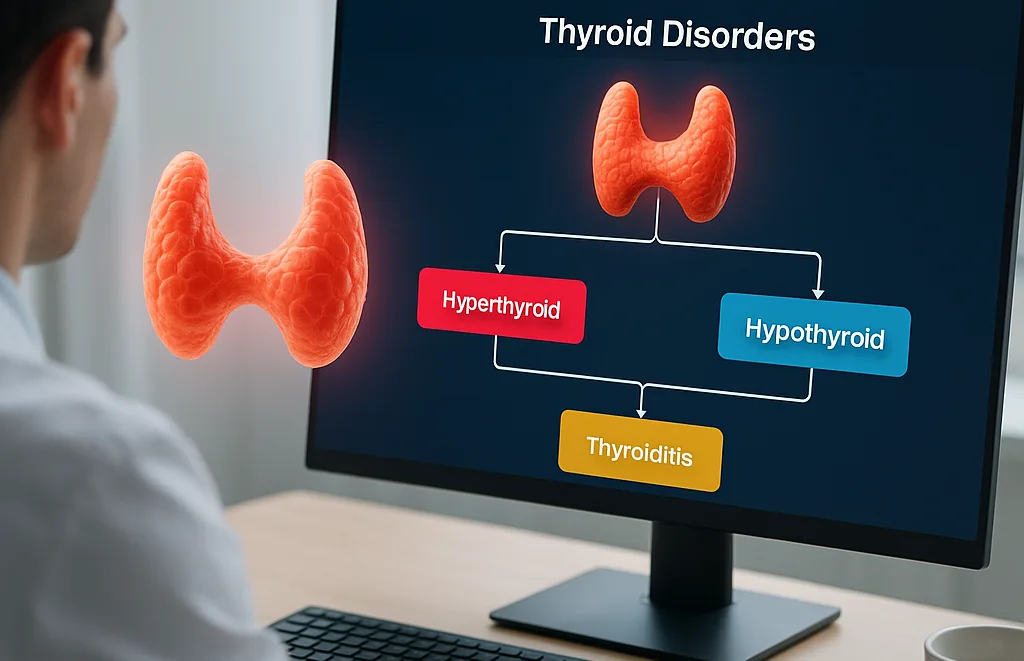
Understanding the Thyroid Spectrum on Step 2 CK Thyroid disorders appear frequently on Step 2 CK, and most questions hinge on rapid interpretation of TSH and free T4 followed by…
Why Febrile Infants ≤90 Days Are a Different Beast on Step 2 CK A rectal temperature of ≥38.0°C (100.4°F) in an infant under 3 months looks innocent on paper, but on the exam it…
Algorithms Diagnostics
Good articles explain it. Blocks expose it.
Test these topics before you move on.
Use MDSteps to turn what you just read into a focused practice block, uncover the distractor that pulled you off course, and know exactly what to study next.
On Step 2 CK, you are expected to recognize dangerous bilirubin elevations, apply an evidence-based neonatal jaundice management algorithm, and know exactly when to start…
Understanding HELLP Syndrome and Why Step 2 CK Tests It HELLP syndrome (“Hemolysis, Elevated Liver enzymes, Low Platelets”) is one of the highest-yield obstetric emergencies…
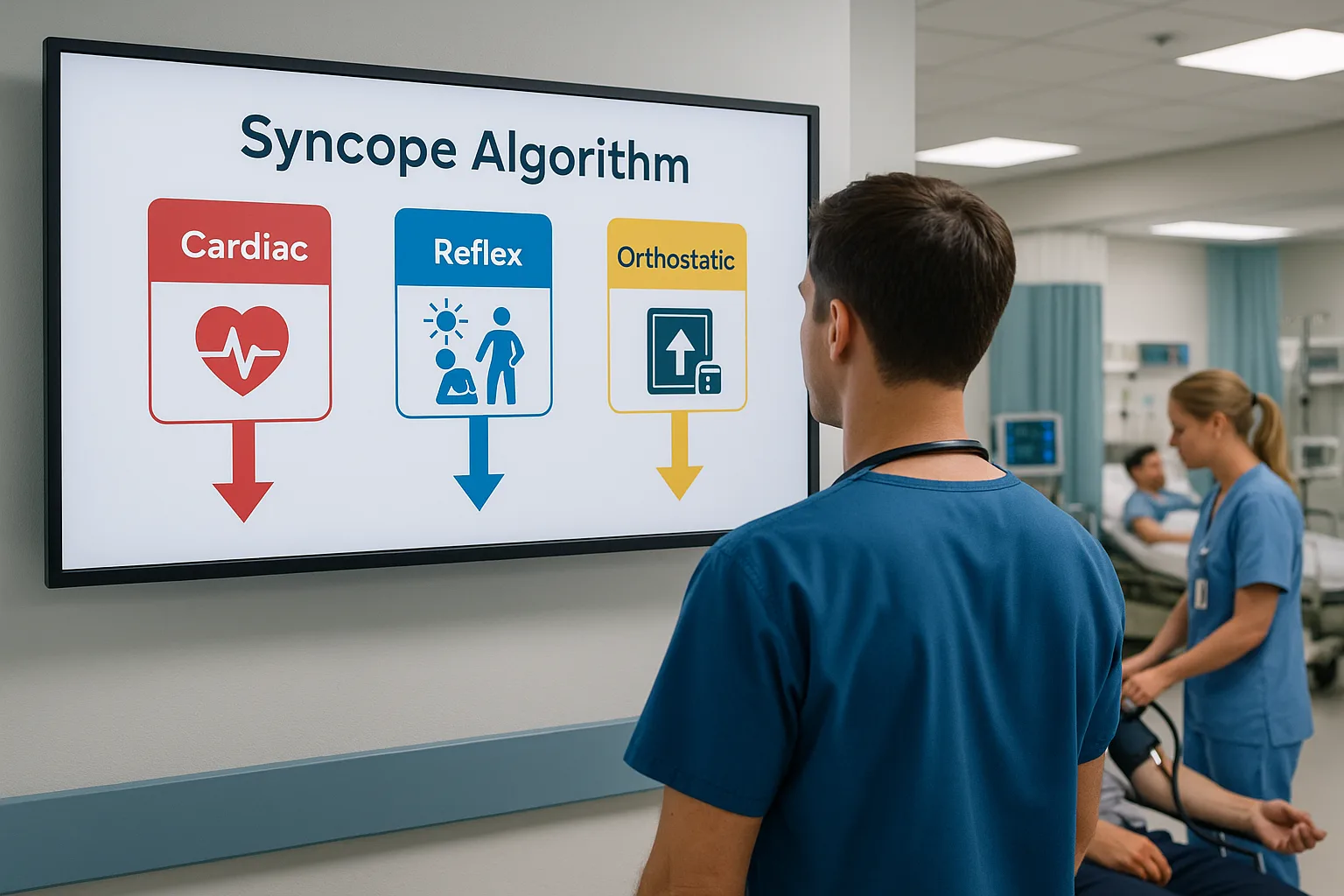
Understanding the Syncope Diagnostic Algorithm for Cardiac, Reflex, and Orthostatic Causes Syncope remains a high-yield topic for Step 2 CK because it blends cardiovascular…
Algorithms Diagnostics
Next step after reading
Reading is useful. Active reasoning is what moves your score.
MDSteps turns USMLE prep into targeted question blocks, missed-question patterns, CCS practice, and readiness analytics — so your next session is based on what you actually need to fix.