Ranking-style review with practical, evidence-based usage workflows for Step 1 in 2026. If your cards are maturing but your NBME score is stuck, use MDSteps to practice full stems, identify distractor traps, and repair the reasoning pattern behind your misses. Cancel anytime. First month protected by our 7-day good-faith refund guarantee after 100 questions or 5 CCS cases. Step 1 retention lives at the intersection of coverage, card quality, and update cadence. This ranking weights (1) comprehensiveness of preclinical coverage (biochem → phys → path ↔ pharm); (2) organizational quality (tagging by resource/system, note type consistency, cloze quality, media stability); (3) community support and updates (sustained maintenance, documented changelogs); (4) integration with a daily QBank workflow; and (5) ease of onboarding for a new user inside Anki (settings, ease of suspending, filtered reviews). We also tested fit with a disciplined study loop: questions → analytics → targeted reviews → spaced retention. In practice, the decks that perform best are the ones that can be continuously steered by objective performance data, specifically, question-bank analytics that tell you what to review next instead of relying on intuition or vibes.
Quality Anki use builds on two learning-science pillars: the testing effect (active retrieval strengthens long-term memory) and spaced practice (optimally distributed reviews beat cramming). Your deck must therefore be amenable to frequent, short retrieval reps and predictable spacing intervals. This favors decks with consistent note types, stable tags that align to your curriculum, and reliable updates that avoid “card rot.” Beyond deck choice, your workflow must connect cards to high-yield clinical reasoning. That’s where MDSteps’ Adaptive QBank and readiness analytics guide what to drill next; our automatic flashcard deck creation from your misses (& exportable to Anki) closes the loop by feeding your spaced repetition with exactly what you got wrong. Finally, we considered specialization vs. generalist tradeoffs. Generalist decks (e.g., AnKing Step) reduce hunting for content and standardize your workflow; specialist decks (e.g., Pepper for micro/pharm, Duke for pathoma-style pathology) dramatically increase efficiency for specific domains when layered on top of a generalist base. The outcome we’re optimizing: rapid pattern recognition on NBME-style stems, resilient recall under time pressure, and fewer “tip-of-the-tongue” failures on first-order facts that anchor second- and third-order questions. This list includes many high-quality Anki decks for Step 1—but what it can’t offer is a deck built specifically for you. Before diving into the recommendations below, it’s worth emphasizing what truly drives score improvement: smart, personalized prep.
At a certain point in prep, pre-made decks stop being the limiting factor, and your ability to systematically convert missed questions into durable memory becomes the real bottleneck.
Why it ranks first: In 2026, the AnKing Step Deck remains the most actively maintained, comprehensive, and resource-tagged collection for Step 1. It aggregates and standardizes the best of prior community decks with robust tagging across first-line resources. Critically, it benefits from an AnkiHub sync model with ongoing community contributions and updates, minimizing card decay and consolidating errata. AnKing builds the library; MDSteps trains the operator—so when you “know the fact” but still miss the question, the MDSteps Reasoning Deck slots in as the remediation layer that fixes the decision process AnKing can’t explicitly force. Best for: Students who want a single “home base” deck that spans MS1–MS2 and dedicated. If you prefer a predictable, systems-by-systems march that mirrors your coursework and MDSteps analytics, AnKing’s tag architecture makes filtered reviews and targeted drilling straightforward. Pair it with MDSteps when your misses aren’t knowledge gaps but logic traps (two choices → wrong one, baited by vignette noise, mis-framing management/ethics/physiology). How to use it effectively: (1) Start with a modest new-card cap (e.g., 40–60/day) while maintaining 60–90 minutes of reviews. (2) After each MDSteps QBank session, export your missed items to create automatic Anki cards; merge/tag these alongside AnKing tags so your spaced reps reflect your true competency gaps. (3) When your misses are “I knew this,” don’t add more facts—run 1–2 MDSteps Reasoning vignettes in the matching error type (Frame → Signal → Rule), then return to the QBank to re-test. (4) Use filtered decks to interleave weak systems (e.g., biochem + immuno). (5) Periodically prune leeches and suspend overly redundant cards to keep daily load sustainable. Without analytics, filtered decks drift over time; anchoring them to MDSteps’ system-level accuracy prevents over-reviewing strengths and neglecting silent weaknesses. Setup pointers: Install via AnkiHub, subscribe to the deck, and enable updates. Keep media folders intact, and snapshot your collection weekly. If you’re midstream with another deck, migrate gradually by suspending duplicates rather than mass deletions to protect scheduling history. Use MDSteps to find what you are actually missing, practice matching NBME-style questions, then turn misses into Anki-ready flashcards. Why it’s compelling: Lightyear organizes cards to mirror common preclinical video curricula, making it intuitive if your school teaches in that sequence. Its strength is onboarding: if you watch a lecture/video, the next set of cards matches the content in digestible order. Community-maintained variants (e.g., Lightyear “compendium/infinity” style updates) aim to patch omissions and modernize tags while preserving the video-first flow. Best for: Learners who prefer to anchor memory to audiovisual explanations and then reinforce with QBank items. If you’re coming from a video-heavy plan and want to drill “freshly taught” concepts that same day, Lightyear’s structure reduces the friction of finding the right cards. Usage workflow: Pair each video block with a short MDSteps QBank set to test comprehension, then immediately review Lightyear cards tagged to that topic. Import your MDSteps misses into Anki to fortify that module. For dedicated, interleave Lightyear subdecks by system (e.g., cardio path → renal phys) to encourage discrimination—an evidence-backed way to boost inductive learning. If you later move to a generalist deck, keep Lightyear as a targeted refresh bank and suspend overlap.
This approach works best when video-based learning is periodically stress-tested with MDSteps blocks, which expose gaps that passive understanding can hide.
Caveats: Variant forks differ in coverage and maintenance quality. Audit the tags and media stability before committing. If your school sequence diverges from Lightyear’s, consider re-tagging or filtered decks to reduce context switching.
Why it shines: Most decks expand what you know. This one fixes how you think. The Reasoning 120 doesn’t reward fast recognition—it punishes it. You’re dropped into a messy, trap-heavy vignette and forced to stop and identify the Signal: the one adjective, timeline detail, or missing finding that makes the “obvious” answer wrong. Only then do you move forward. That’s the point: it replaces “I had a feeling…” with a repeatable algorithm—Frame → Signal → Rule, so the exact reasoning failures that cost you easy points get repaired on purpose, not by accident. Best for: Students who are already “passing” but can’t break through a plateau. If you constantly end up at two choices and pick wrong, or you get baited by emotionally loud details (crying family member, anxious patient, scary-sounding symptom) instead of the decision-making rule, this deck is built for that specific application gap. Usage workflow: Don’t speed-run it. Do 5 scenarios/day (25 cards) and treat each one like a mini-skill drill. When the Signal card appears, say the constraint out loud before you flip it (“Low complement locks immune-complex,” “unstable vitals overrides everything,” etc.). Then use the Bucket card to extract the reusable rule. The goal is transfer: the next time a QBank tries the same trap, your brain flags it automatically, and you stop losing points to mistakes you didn’t actually need to make.
Caveats: As a remediation-focused deck, MDSteps Reasoning 120 isn’t a one-stop “content” deck—treat it as a scalpel for fixing decision errors, and use MDSteps analytics to target the specific systems and reasoning traps you’re actually missing.
Download the Reasoning 120 Anki Deck Now Why it shines: Duke’s Pathoma deck distills pathology into focused, relatively “beefy” cards that complement Pathoma-style reasoning. The emphasis is on anchoring mechanisms and prototypical lesions rather than maximal detail sprawl. If your Step 1 weakness is core pathophysiology, Duke provides a compact spine for structured review, especially during the final 4–6 weeks. Best for: Students who want a concise path checklist layered onto a broader deck (e.g., AnKing) and MDSteps question sets. It’s also useful for morning warm-ups: 15–20 minutes of Duke before diving into mixed QBank blocks keeps the big-picture pathology map active. Usage workflow: Build a filtered deck keyed to the systems you missed in MDSteps (e.g., heme/onc path). After each mixed block, append misses to a “Duke-Path Refresh” filtered deck and review to first Good. Keep daily reviews manageable by suspending redundant cards (if the concept is well-covered elsewhere). During dedicated’s final two weeks, rotate 2–3 systems/day to maintain interleaving. Caveats: As a focused resource, Duke is not a one-stop deck. Treat it as a scalpel for core path and rely on MDSteps analytics to decide which systems to prioritize. Why it’s still a staple: For micro and pharmacology, Pepper-style cards compress visual mnemonic scenes into high-yield bite-size prompts. This format excels at rapid recognition of organism traits, toxins, and drug mechanisms—exactly the kind of atomic facts that unlock multi-order questions. It’s perfect for a 10–15 minute micro/pharm power-up between longer study blocks. Best for: Learners who think in images and need quick retrieval of organisms, resistance mechanisms, and antidotes. Pepper is also an excellent maintenance layer during clinical transitions when your memory of bugs and drugs starts to fade. Usage workflow: Keep Pepper in a separate subdeck with a small daily new-card cap (10–20) and a strict review ceiling (≤20 minutes/day). After a mixed MDSteps block flags a micro/pharm miss, instantly add that concept to a Pepper filtered deck for same-day reps. On weekends, run a 30–40 minute consolidation to push any leeches to targeted tags and rework them with simpler clozes. Caveats: Pepper is intentionally concise; supplement with your generalist deck for mechanisms and cross-links. Ensure your version is actively maintained or hosted in a stable repository to avoid media breakage. Daily cadence: Aim for 60–90 minutes of reviews and 40–60 new cards on weekdays; halve new cards on heavy exam or QBank days. Front-load reviews in the morning when decision fatigue is low. Insert one 40–60 minute MDSteps Adaptive QBank block midday; immediately export misses to an Auto-Misses deck (MDSteps generates these automatically and they’re exportable to Anki). Run a 15-minute evening review on the new Auto-Misses plus any flagged leeches. Card settings (baseline): Keep learning steps short (e.g., 10m → 1d), graduating interval ~3–4d, and an Easy interval slightly longer than graduate (e.g., 5–6d). Maintain a conservative new card cap (start at 40/day) and a review cap that fits your schedule (e.g., 250–300). Prune leeches at 8–10 lapses. As your retention stabilizes, nudge intervals up; if your review pile regularly exceeds 90 minutes, reduce new cards before anything else. Question–card loop: Every missed QBank concept becomes a card. MDSteps’ analytics identify weak systems; create filtered decks by tag (e.g., tag:renal, tag:biochem) and interleave with your baseline deck. This converts the testing effect into durable gains: retrieve under pressure, then space the concept to keep it alive. Maintenance & hygiene: Weekly, audit tags/media, clear duplicates, and archive snapshots. Suspend cards that repeatedly test the same nucleus of knowledge. Use custom study to top up recently learned material before cumulative mixed blocks. Lean on MDSteps’ readiness dashboard to decide when to throttle new cards vs. add more questions. AnKing Step — “One-Deck Spine”: Start with 40 new/day, reviews first thing each morning. After a 40–60 minute MDSteps Adaptive QBank block, export misses and tag by system. Create a filtered deck called AK-Targeted that pulls (tag:misses + weakest systems). Evenings: 15-minute clean-up pass on leeches. Lightyear — “Watch, Quiz, Reinforce”: Watch the assigned video, do a 10–20Q MDSteps micro-block from the same topic, then immediately review the Lightyear subdeck. On weekends, run a mixed-system Lightyear filtered deck to induce interleaving. If you later pivot to AnKing, suspend duplicates; keep Lightyear for just-in-time refreshers. Duke Pathoma — “Path Pulse”: Every morning, 20–25 minutes of Duke on yesterday’s weakest system. After mixed QBank blocks, append relevant Duke tags and review to first Good. Two weeks pre-exam, rotate systems in 90-minute cycles: path pulse → MDSteps mixed block → targeted Duke refresh. Pepper Micro/Pharm — “Fast Recall”: Cap new at 10–20/day. Between longer blocks, do 5-minute Pepper sprints. Any micro/pharm miss becomes a Pepper card seeded into a filtered deck called Pepper-Fix. Weekly 30-minute consolidation merges Pepper-Fix into the main Pepper subdeck. Tip: Tie your Anki workload to your MDSteps readiness dashboard—when a system dips below target accuracy, shift 20–30% of your new cards to that system’s tags until stability returns.
Next step: If you want your Anki workload to always reflect your weakest concepts—without manual tagging or card creation—MDSteps was designed to run this entire workflow in the background while you focus on questions.
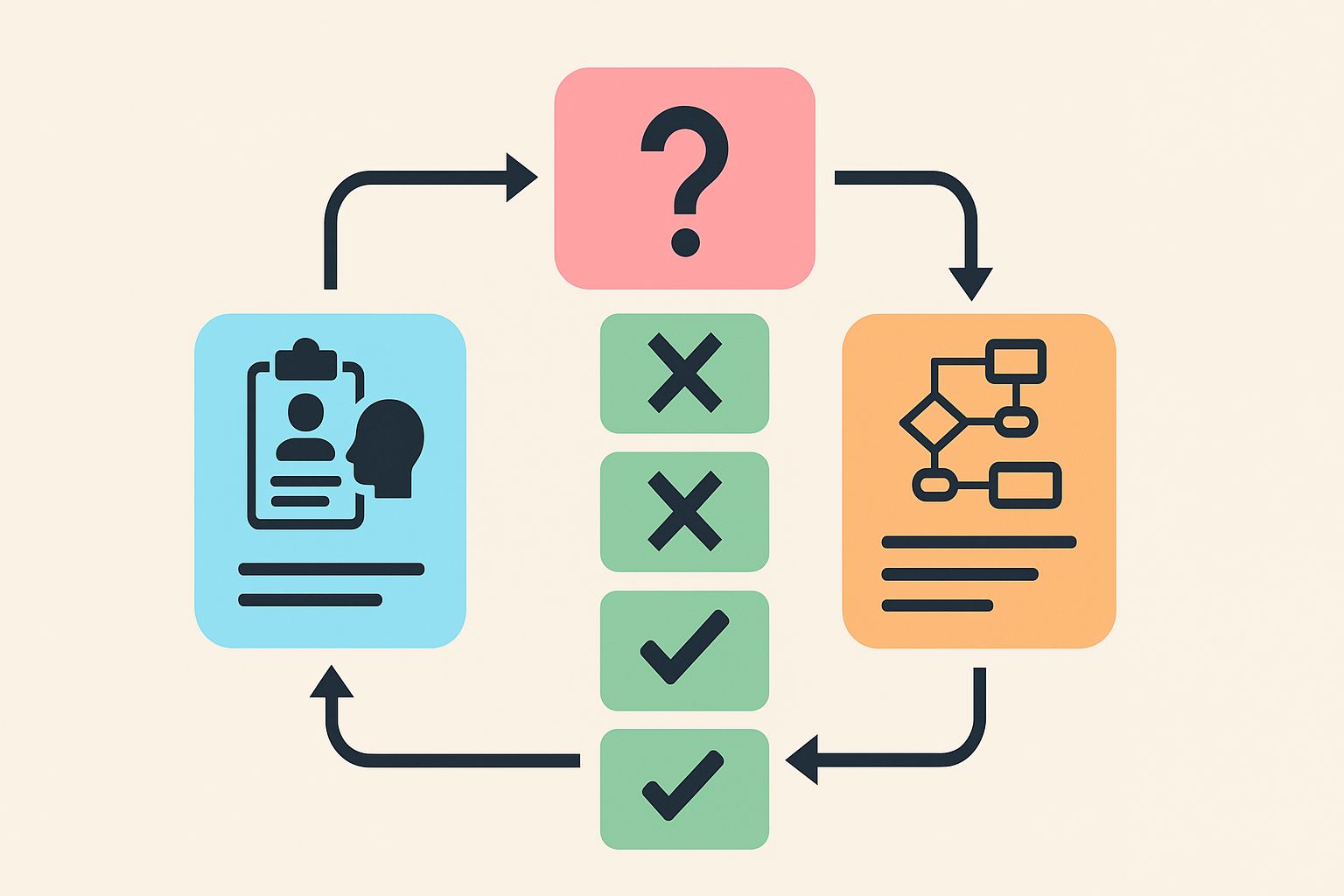
Anki helps you remember facts. MDSteps helps you apply them under exam pressure.
How We Ranked the Best Anki Decks for Step 1 in 2026: Criteria That Matter
Criterion Weight Why It Matters for Step 1 Coverage & Tagging 35% Maps cards to systems/resources so you can target weak areas and sync with MDSteps analytics. Card Quality 25% Clean cloze deletions, minimal extraneous fluff, consistent note types improve review velocity. Update Cadence 20% Fixes errata, aligns with current teaching, keeps media and tags stable. Community & Onboarding 10% Reliable setup docs, migration guides, troubleshooting reduces friction. Integration Fit 10% Plays nicely with questions-first learning and MDSteps’ auto-miss-to-Anki pipeline.
Stop Searching for Anki Decks. Build One That Targets Your Weaknesses.
#1 — AnKing Step Deck (2026): The Comprehensive Standard
Turn Anki into a question-driven Step 1 workflow
Anki remembers. MDSteps diagnoses.
See how it works
#2 — Lightyear (2026): Video-Centered & Curriculum-Synced
#3 — The MDSteps Reasoning 120 Deck:
The Cognitive Repair Kit
#4 — Duke Pathoma: Lean Pathology Reinforcement
#5 — Pepper Sketchy Micro/Pharm: Visual Mnemonics on Speed-Dial
The “Actually Use Them” Plan: Settings, Caps, and Integration with MDSteps
Setting Starter Value Adjust If… Learning steps 10m → 1d Increase to 10m→8h→1d if you keep forgetting within 24h. Graduating interval 3–4 days Shorten to 2–3d if early lapses rise; lengthen to 5–6d if ease stays high. Easy interval 5–6 days Keep ≥ graduating interval; lengthen if cards feel trivial. New cards/day ~40 Drop to 20–30 during heavy MDSteps blocks; increase slowly if reviews < 60 min. Leech threshold 8–10 lapses Refactor into simpler clozes or tag for dedicated remediation. Deck-by-Deck Usage Recipes (with a 7-Day Pilot Schedule)
Day Morning Midday Afternoon Evening Mon AnKing reviews (60–90m) MDSteps 40Q block Lightyear module + reviews Pepper sprint (10m) + Auto-Misses Tue Duke Path pulse (20m) + AK reviews MDSteps mixed 40Q Filtered AK-Targeted (weak systems) Pepper sprint + leech refactor Wed AK reviews MDSteps 40Q Lightyear module Auto-Misses + custom study Thu Duke Path pulse + AK reviews MDSteps mixed 40Q AK-Targeted interleaving Pepper sprint Fri AK reviews MDSteps 40Q Lightyear module Auto-Misses sweep Sat NBME-style 80Q MDSteps self-assessment Review & tag misses → Anki AK-Targeted (weakest systems) Lightyear mixed-system pass Sun Light review only (≤45m) Optional Pepper consolidation (30m) Plan next week via MDSteps dashboard Early shutdown Rapid-Review Checklist & Download Links (2025-2026)
Rapid-Review Checklist
2025 Download/Setup Links
References & Further Reading
USMLE Step 1
Best Anki Decks for USMLE Step 1 in 2026: Which Deck to Use and How

TL;DR: The best Step 1 Anki decks in 2026 are AnKing Step (comprehensive, continuously updated), Lightyear (curriculum-synced video-first), Duke Pathoma (concise path), and Pepper Sketchy Micro/Pharm (visual mnemonics).
Pair any deck with MDSteps’ Adaptive QBank + readiness analytics to identify your weakest systems in real time, then auto-generate Anki cards from your misses so your daily reviews are always aligned with your weaknesses.
From Memorization to Clinical Reasoning
That’s the exact gap MDSteps was built to solve. Every missed question is automatically converted into high-quality flashcards (exportable to Anki), tagged by system and concept, so your reviews directly reflect your real NBME-style weaknesses, without manual card writing or deck wrangling.
Full access: $27/mo
Lifetime: $299
Missed-question flashcardsWeak-system question blocksAnki-compatible review loop
Monthly access. Cancel anytime. No free trial required.
Anki + MDSteps
If you want this workflow without friction: MDSteps combines an NBME-style Adaptive QBank, readiness analytics, and automatic Anki deck generation from your misses—so your daily reviews are always pointed at your weakest systems. Most students use it alongside AnKing, Lightyear, or Pepper rather than replacing them.
Stuck at “two choices”?
The MDSteps Reasoning 120 deck complements AnKing by fixing the logic errors that cause “I knew this” misses.