Retrieval Practice and Spaced Repetition for USMLE Success (with Examples)
Learn how retrieval practice and spaced repetition improve USMLE performance using proven memory science, step-by-step techniques, and real examples.
USMLE Step 3USMLE Step 3

Prepare for Step 3 with guides on CCS cases, internal medicine review, study schedules for residents, QBank strategy, timing, common mistakes, and practical ways to study while working full clinical schedules.
Start with the decision pattern, then use MDSteps to practice that same pattern in question form.
Choose the topic that matches what you keep missing.
Look for the clue that separates the correct answer from the trap.
Use MDSteps questions and reviews to make it stick.
Study with a clearer plan
These guides are meant to make the next vignette feel less confusing, not add another long reading assignment to your day.
Study the signs, labs, wording, and clinical setup that point you toward the most likely answer.
Practice separating the best answer from the option that only sounds close.
Use missed questions to decide what to review next instead of rereading everything again.
How MDSteps helps
The article gives you the concept. MDSteps helps you practice the moment where the exam asks you to choose between two close answers.
Explore Step 3 prepSee how MDSteps supports Step 3 QBank strategy, CCS cases, resident schedules, and exam-day planning.
Step 3See how MDSteps helps you practice CCS cases with orders, timing, monitoring, reassessment, and disposition.
CCS CasesSee how QBank practice, analytics, flashcards, explanations, and guided review fit into one study routine.
FeaturesReview monthly and lifetime access options after seeing what Step 3 prep includes.
PricingWhy use MDSteps
MDSteps shows what most explanations skip: why the wrong answer felt right, which clue mattered most, and what to catch next time.
Each review separates the pivot clue, answer logic, distractor logic, and takeaway rule.
See recurring mistakes by system, clue type, distractor style, and reasoning habit.
Start with the quick signal, then go deeper when a question does not click.
Learn how retrieval practice and spaced repetition improve USMLE performance using proven memory science, step-by-step techniques, and real examples.
USMLE Step 3

Learn how to recognize and fix thinking errors that cause missed questions on Step 1, Step 2 CK, and Step 3.
USMLE Step 3
A Step 3 study strategy for using QBank blocks, CCS cases, biostatistics, and clinical judgment practice efficiently.
USMLE Step 3
A realistic Step 3 schedule for IMGs balancing clinical rotations, QBank practice, CCS cases, and exam-day readiness.
USMLE Step 3
Use a realistic 6-week Step 3 study plan for residents balancing rotations, call, QBank blocks, CCS cases, biostats, and exam readiness.
USMLE Step 3
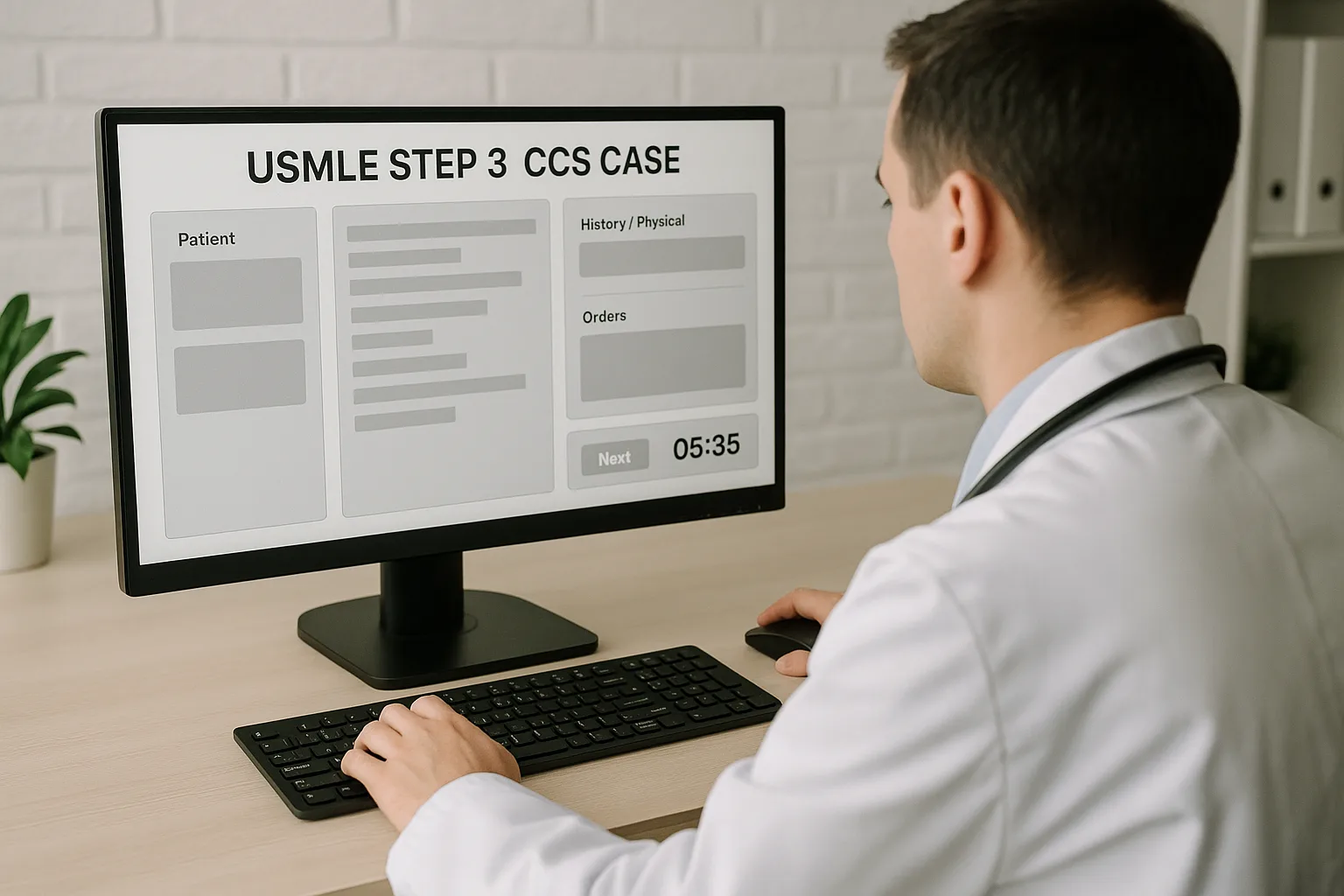
Learn how Step 3 CCS cases work, what the exam rewards, and how to practice timed orders, reassessment, and case closure.
USMLE Step 3
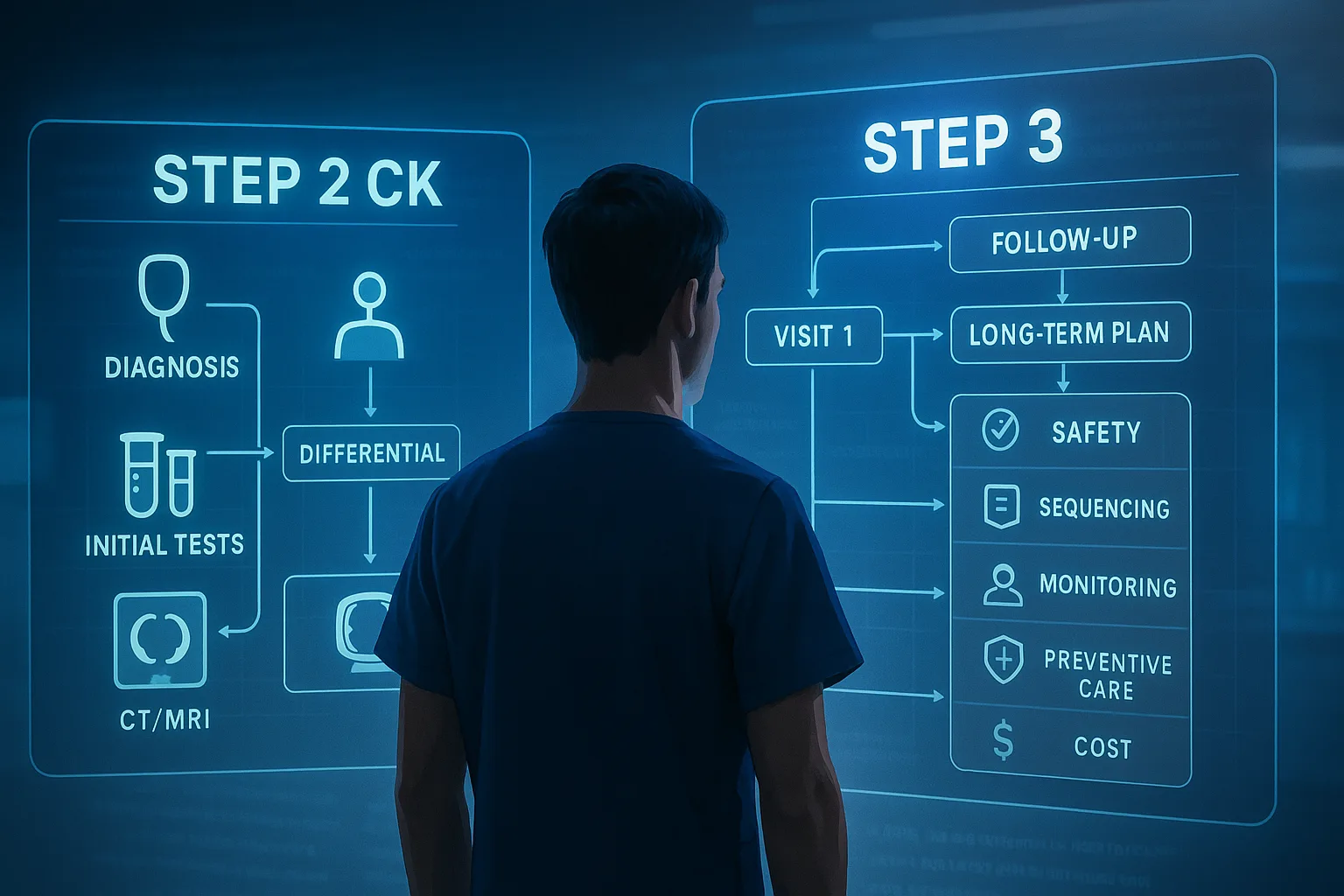
Understand how Step 3 differs from Step 2 CK in clinical judgment, management sequencing, CCS cases, and test strategy.
USMLE Step 3
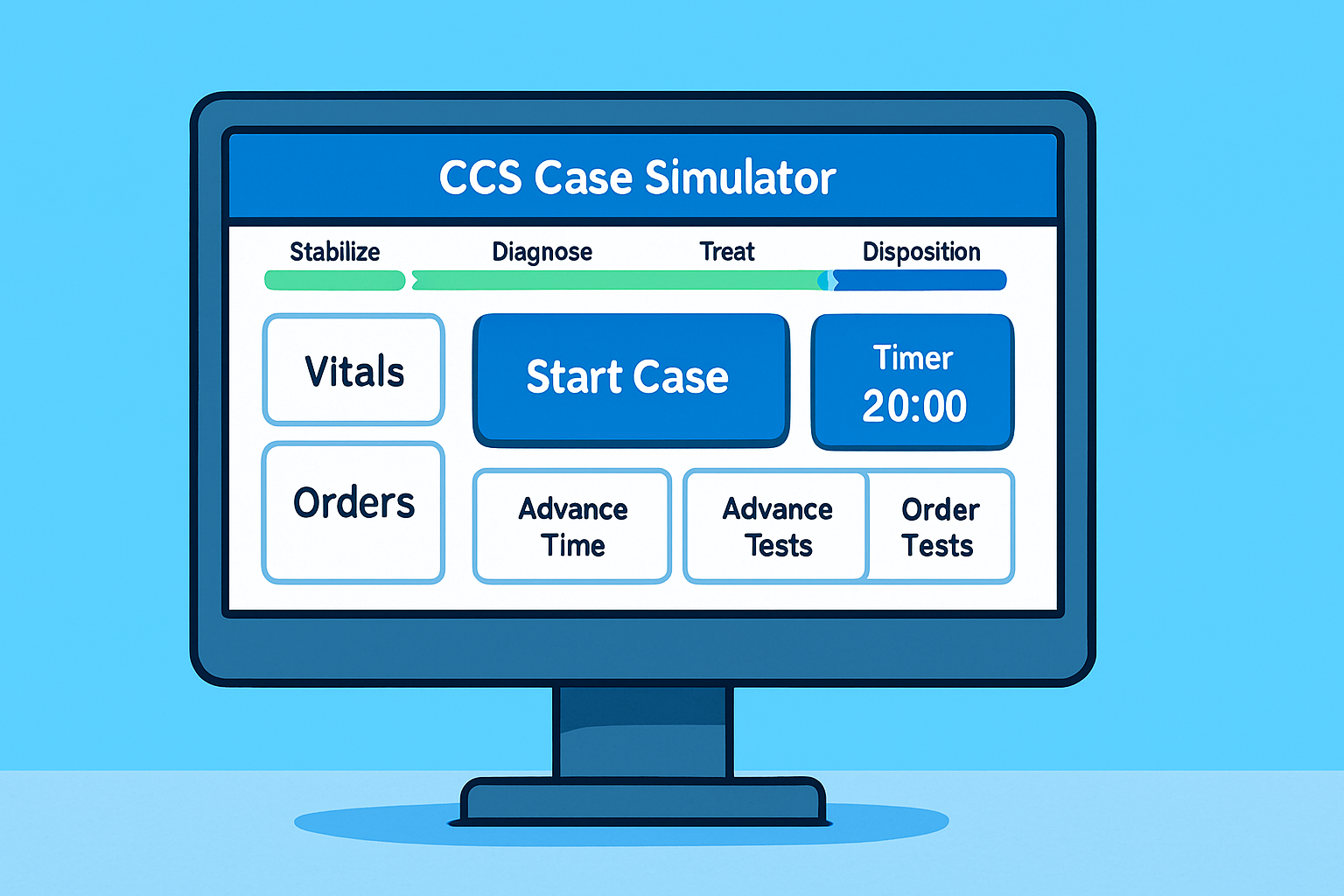
A practical 20-minute Step 3 CCS case workflow for stabilization, diagnostics, treatment, reassessment, and safe closure.
USMLE Step 3
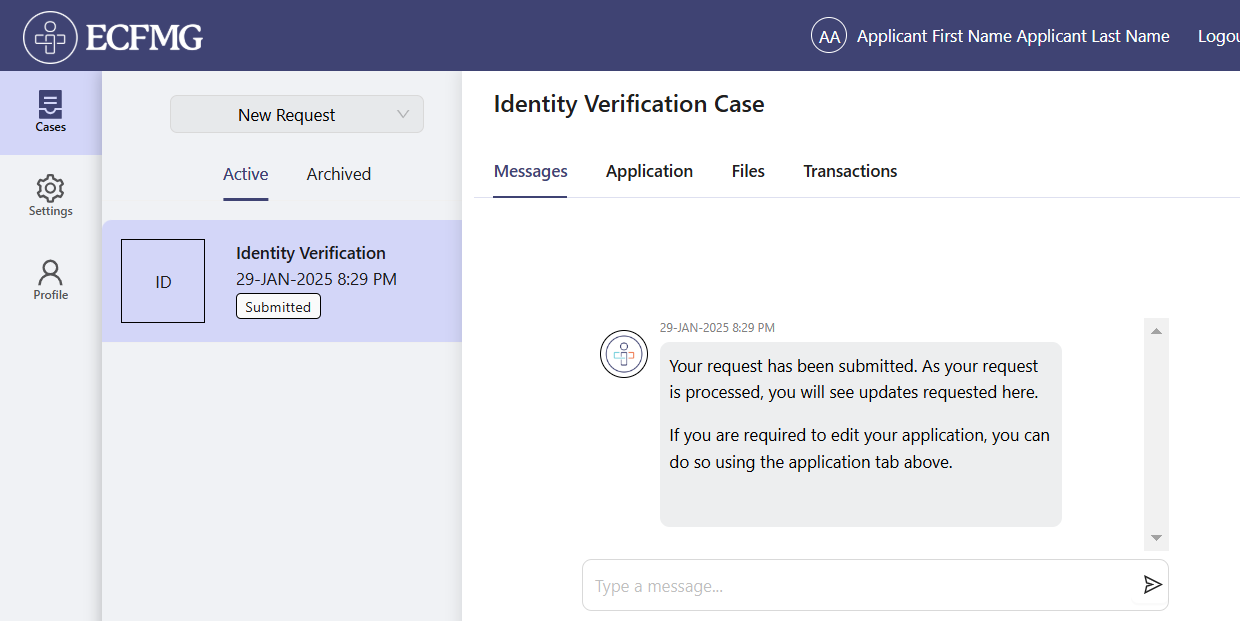
Use this IMG document checklist for Intealth and ECFMG verification, including credential uploads, common mistakes, and delay prevention.
USMLE Step 3Next step
Start with Step 3 or CCS case practice, then review features and pricing once you know what MDSteps includes.